
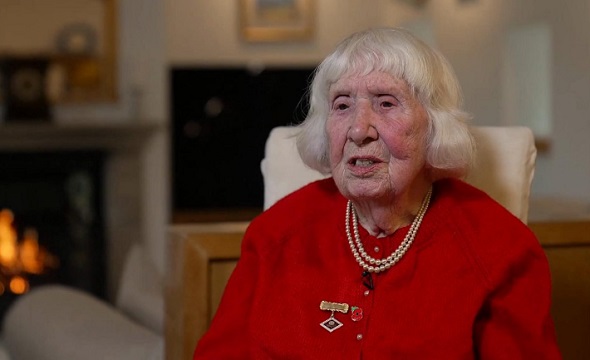
The oldest surviving victim of the Post Office Horizon IT scandal has said she can now “look to the future” after receiving her long-awaited settlement from one of the government’s compensation schemes.
“I can settle up my affairs. I can turn the heating up full blast, and that will be wonderful,” 92-year-old Betty Brown told the BBC.
Mrs Brown was forced out of her Post Office in County Durham in 2003 after she and her late husband spent more than £50,000 of their savings to cover shortfalls that did not exist.
Her settlement comes after it was confirmed that campaigner Sir Alan Bates had agreed to a multi-million-pound compensation figure from the Post Office.
“At last, after 26 years, they’ve recognised justice,” she said, adding: “pity they took so long.”
Her Post Office had been one of the most successful in the region but eventually she had to sell it at a loss.
Talking about what happened, she previously said it “absolutely destroyed my whole life”.
The Horizon IT system was responsible for more than 900 sub-postmasters being wrongfully prosecuted because of it providing incorrect information. Thousands more, like Mrs Brown, were forced to make up for the alleged losses at their branches across the UK.
The scandal has been described as one of the widest miscarriages of justice in the UK.
Mrs Brown was one of the original 555 victims who took part in the landmark group legal action led by Sir Alan Bates against the Post Office.
She said it was “fantastic” that Sir Alan had received his final settlement too, describing him as her “hero”.
“I think at long, long last, the government are starting to listen. Not only are they starting to listen, they’re beginning to act,” Mrs Brown said.
Both Mrs Brown and Sir Alan were part of the Group Litigation Order compensation scheme, and those claimants were offered the option of taking a fixed sum of £75,000 or pursuing their own settlement.

Betty Brown and her husband spent more than £50,000 of their own money to cover shortfalls which did not exist
In Dec 2024, Mrs Brown was originally offered just under a third of what she’d claimed for in compensation. That was gradually upped to 70% earlier this year, which she rejected. Her case was then escalated to an independent panel.
There were two main sticking points.
Firstly, the Post Office knocked 10% off the income she’d been making when she was running her branch, which had a big impact on the calculation for her future loss of earnings.
And then it downgraded her claim for psychological damages from severe to moderately severe, even though her medical report had concluded it was severe.
Mrs Brown took up the opportunity to address the panel, an experience she said felt like reliving the past.
“The emotions, the fear, the terror was all coming back,” she said.
The panel found in her favour.
By then, Mrs Brown had already dropped a couple of incidental claims for business costs, because she didn’t have any paperwork and the lack of evidence was being challenged by the government
She has now ended up with about 95% of what she originally claimed for – and Mrs Brown is happy with that.
The latest government figures up until the end of September, which don’t include Mrs Brown’s payout, show that of 492 eligible claimants, 385 have had their claims fully settled – with more than 100 people still waiting for their final payment.
Across all the government compensation schemes, £1.2bn has now been paid out to more than 9,100 victims.
“This is a redress scheme,” Mrs Brown stressed. “They’ve only given us back what they took from us. We haven’t had a penny in compensation.”
Over the last two years, that’s the message Mrs Brown has been putting across as she’s become one of the most formidable campaigners for justice for former sub-postmasters.
She has appeared on BBC Breakfast, Newsnight and taken government ministers to task.
Mrs Brown celebrated with tea and cake at her local church coffee morning. She got a round of applause and some hugs as she broke the news of her final payout.
Mrs Brown also made it clear that she was not finished.
“I don’t want to put my feet up,” she said. “I just want the other sub-postmasters to have what I have been given. That’s all I want – justice for every one of them.”
Sir Alan Bates Payout
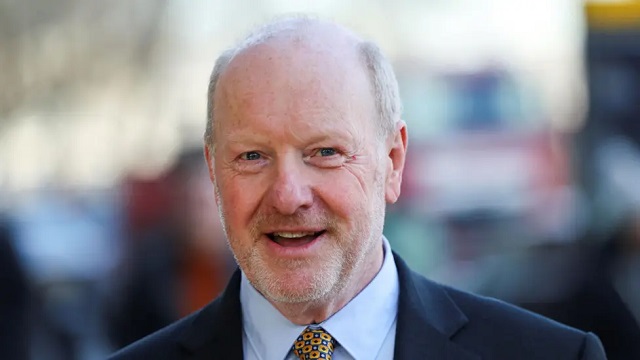
Post Office campaigner Sir Alan Bates has agreed a multi-million-pound compensation figure from the Post Office, sources close to the deal have confirmed to the BBC.
The payout for Sir Alan comes more than 20 years after he started campaigning for justice for victims of the Horizon scandal which led a group of 555 sub-postmasters launching landmark legal action against the Post Office.
The exact sum paid to Sir Alan has not been made public and he has not responded to requests for comment.
Between 1999 and 2015, more than 900 sub-postmasters were wrongly prosecuted after the faulty Horizon IT system indicated shortfalls in Post Office branch accounts.
Hundreds more poured their own savings into their branch to make up apparent shortfalls in order to avoid prosecution.
Marriages broke down, and some families believe the stress led to serious health conditions, addiction and even premature death.
A spokesperson for the Department for Business and Trade said: “We pay tribute to Sir Alan Bates for his long record of campaigning on behalf of victims.
“We can confirm that Sir Alan’s claim has reached the end of the scheme process and been settled.”
As of September 2025, a total of £1.23bn had been awarded to more than 9,100 sub-postmasters.
Sir Alan first received an offer of redress in January 2024, which he rejected, describing it as “cruel and derisory”.
He was made another offer in May 2024 which he said was around a third of what he had requested. In May of this year, he said that he’d received a third offer for less than 50% of his original claim.
Sir Alan was part of the Group Litigation Order compensation scheme, under which claimants can either receive £75,000 or seek their own settlement.
Former sub-postmaster Tim Brentnall from Pembrokeshire had his conviction overturned after he was prosecuted for false accounting.
Brentnall told BBC Radio Wales Drive that Sir Alan’s “tenacity and dogged spirit” kept him and other sub-postmasters going over the past 20 years.
“We all owe him a great debt.”
The Post Office/Horizon scandal reached new heights in the public consciousness last year after Sir Alan’s campaign for justice was portrayed in the ITV drama series Mr Bates vs the Post Office.
The government adopted all but one of the recommendations of a report published following a public inquiry into the scandal.
The inquiry detailed the full human impact of the scandal for the first time: the report said that more than 13 people may have taken their own lives as a result of what happened to them.
Earlier this year, Sir Alan accused the government of putting forward a “take it or leave it” offer of compensation amounting to less than half of his claim.
Many victims have previously complained about being forced to accept low offers of compensation, without the benefit of legal help.
Last month, the government announced that all victims who are claiming compensation will now be entitled to free legal advice to help them with their offers.
There are three different compensation schemes, which are aimed at different groups of victims.
Individual eligibility for compensation depends on the particular circumstances of each case.
However, the schemes have been criticised for being too slow and complicated, with many of the worst-affected victims receiving far less than their original claims.
Sir Alan told the inquiry that, as part of his plan to claim his own settlement, his lawyers had included compensation for his 20 years of campaigning for justice for other victims.
He said: “I’m trying to fight for everyone’s financial redress in this but I’ve also got to fight for my own as well.”
He said his lawyers added the 20 years’ compensation to his claim without his knowledge.
Source: bbc.co.uk



Be the first to comment