
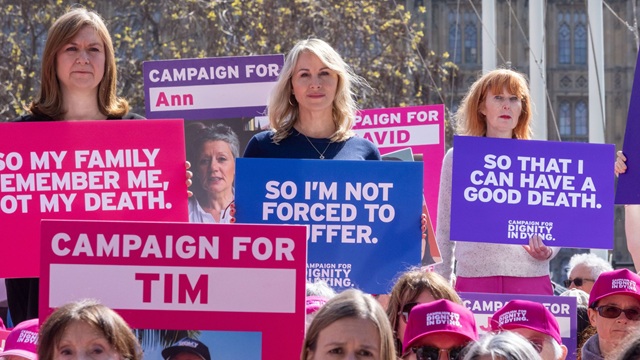
Assisted dying will not become a law in England and Wales after the bill ran out of time for debate.
The landmark legislation, which has been making its way through parliament for the past year-and-a-half, had passed two votes in the House of Commons – though with a narrower majority on the second occasion.
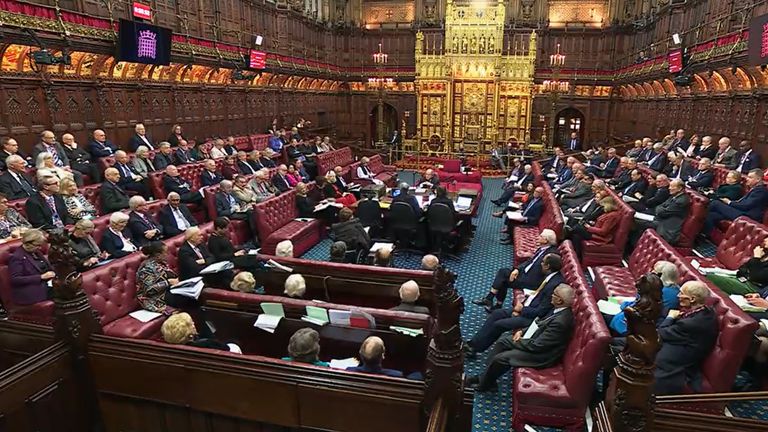
However, it did not face a vote in the House of Lords and instead ran out of time.
The Terminally Ill Adults (End of Life) Bill would have allowed adults in England and Wales with fewer than six months to live to apply for an assisted death, subject to the approval of two doctors and an expert panel.
More than 1,200 amendments to the bill were suggested in the Lords, with more than 800 of those tabled or sponsored by seven peers.
Supporters of assisted dying have vowed to reintroduce the bill in the Commons if they are successful in a private members’ bills ballot after the King’s Speech next month.
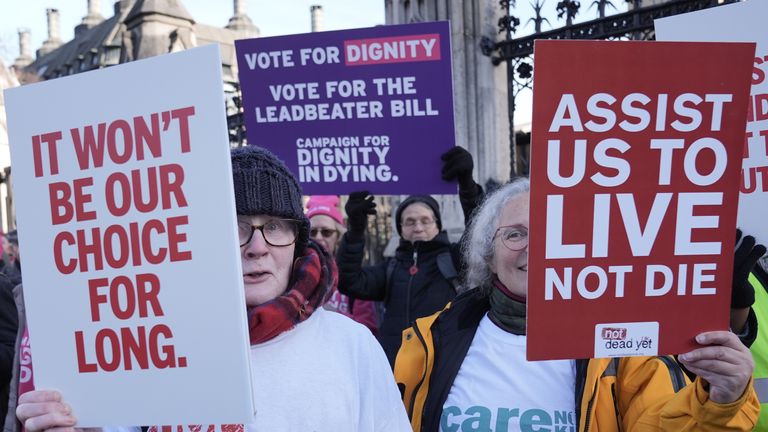
Lord Charlie Falconer, who had been shepherding the legislation through the upper chamber, said he felt “despondent” a piece of legislation which was “so important to so many, has not failed on its merits, but failed as a result of procedural wrangling”.
He said the bill had not failed to finish its journey through the Lords due to a lack of time, but rather “because a small minority were not willing to cooperate, as we normally do, to ensure that there can be proportionate debate”.
Read more: This is how assisted dying bill could still become law
‘Too many gaps’ and ‘misunderstanding’
Many terminally ill people and their relatives, “who have shown such courage and forbearance”, have been “utterly bewildered by the way we [peers] have behaved”, Lord Falconer added.
However, Paralympian Baroness Tanni Grey-Thompson, who had spoken against the bill, said it had failed because “there are too many gaps in it”. She said she felt there was “a lot of misunderstanding about what people might get” under a law change.
Supporters vow to try to bring back bill
Those opposed to the bill have cautioned it is “unsafe and unworkable” and a “bad law”, raising their concerns around potential coercion of vulnerable people and a lack of safeguards for those with disabilities.
Conservative former deputy prime minister Baroness Therese Coffey said she feared “many peers and many MPs are putting choice for some ahead of concern on coercion for others”.
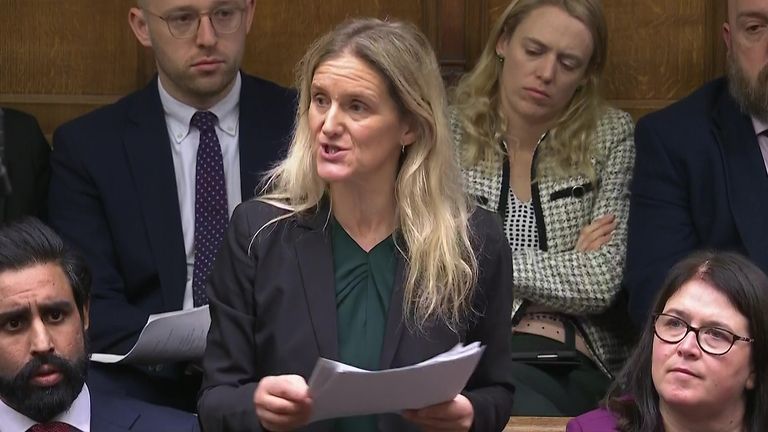
Supporters of the bill have vowed to try to bring it back in parliament’s next session, with its sponsor in the Commons, Kim Leadbeater, saying she will enter her name in the ballot of private members’ bills again.
How assisted dying could be brought back
Campaigners have said they could use the Parliament Act to get the bill through if it was selected. The rarely used piece of legislation allows for bills backed by the Commons in two successive sessions, but rejected by peers, to pass into law without the approval of the Lords.
Broadcaster and Childline founder Dame Esther Rantzen, a leading voice in the campaign for the bill, said she was “bitterly disappointed” some of those sitting in the upper house “have conspired to sabotage our democracy”.
Charities working in palliative and end-of-life care have warned Health Secretary Wes Streeting momentum sparked by the national conversation about death must not be “wasted”, urging him to use this “critical moment” to bring about improvements they say are much needed for dying people.
Source:  news.sky.com




Be the first to comment